Slot Machine Layout Strategies Shape Movement Patterns on Las Vegas Casino Floors
Quinn Wolf · Aug 25, 2026
Slot Machine Layout Strategies Shape Movement Patterns on Las Vegas Casino Floors
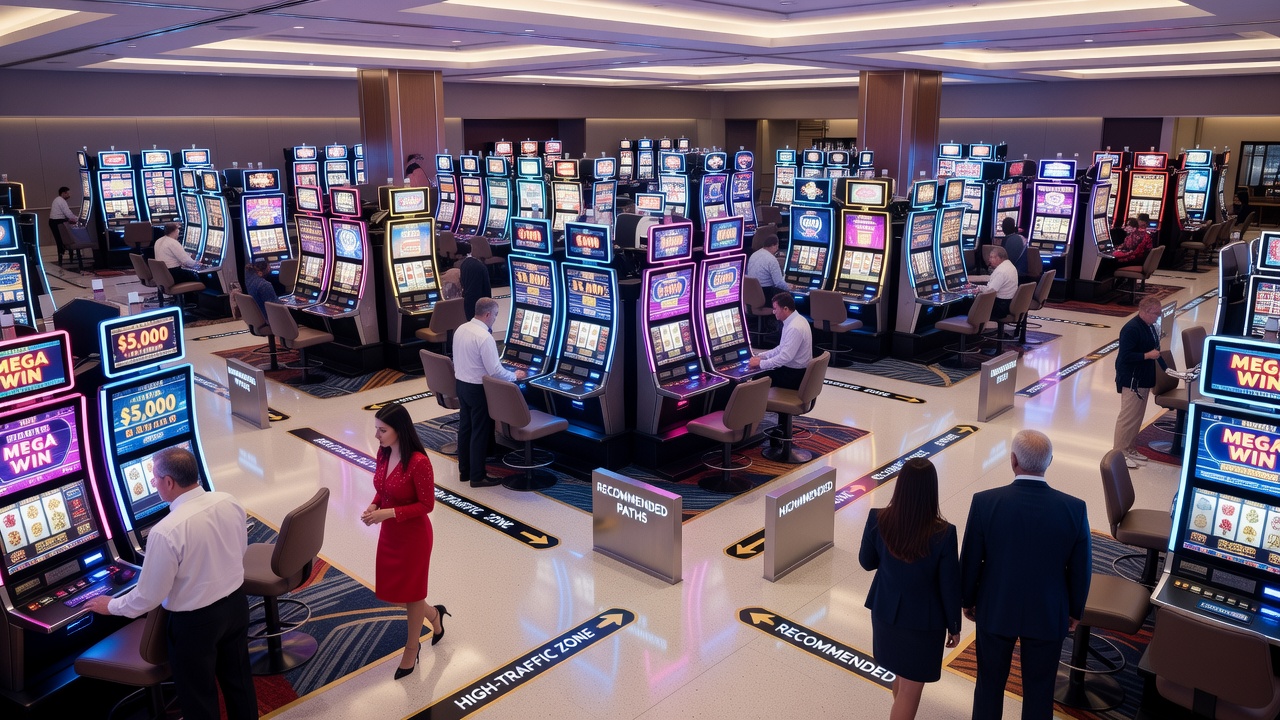
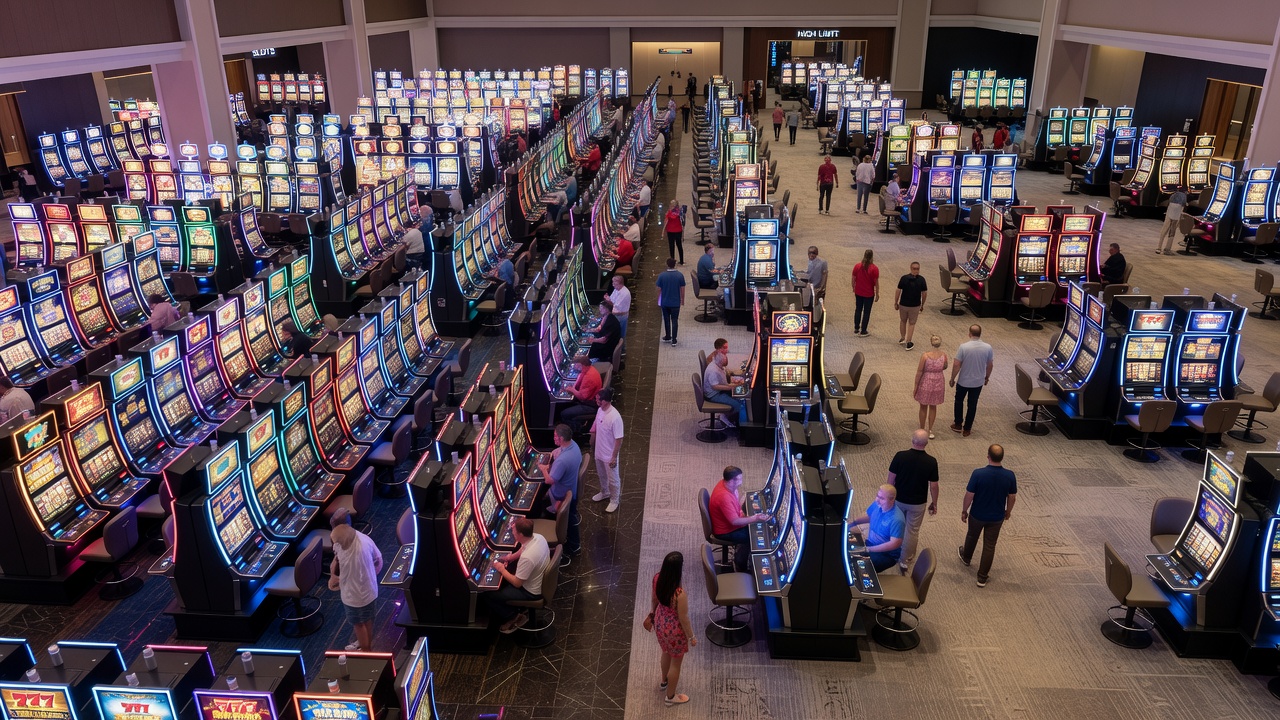
Las Vegas hotel casinos arrange slot machines in deliberate configurations that direct how guests move through gaming areas, and these layouts have evolved with operational data collected over decades. Placement decisions often cluster high-volume machines near entrances and walkways while positioning progressive jackpot units along longer routes that encourage extended stays. Observers note that such patterns create natural pathways, and traffic tends to follow lines of sight toward brighter displays or areas with visible activity.
Common Arrangement Approaches in Major Properties
Many properties position banks of penny and nickel slots close to hotel lobbies and restaurants so that arriving or departing guests encounter them first. Higher denomination machines frequently occupy central zones where foot traffic already converges, and this placement aligns with revenue tracking that shows elevated play rates in those spots. Researchers at the University of Nevada, Las Vegas have documented how aisle width and machine orientation affect dwell time, with narrower rows sometimes increasing interaction because players feel more enclosed.
Loops and circular patterns appear in several large resorts because they return visitors to the same starting points without obvious dead ends. Data from the Nevada Gaming Control Board indicates that floor plans updated in 2025 incorporated additional digital signage to highlight these routes, and traffic sensors installed since then record measurable increases in passes through secondary gaming sections. What's interesting is that corner placements near bars or retail outlets often receive machines with frequent small wins, which sustain movement rather than stopping it.
Traffic Flow Data and Measurement Methods
Casino operators rely on heat maps generated from player card swipes and camera analytics to refine arrangements each quarter. These tools reveal that players entering from the Strip side tend to gravitate toward machines aligned with natural walking momentum, whereas those coming from parking structures follow different corridors. In August 2026, several properties on the Las Vegas Strip reported adjustments to row spacing after reviewing summer visitor patterns, and preliminary figures showed a redistribution of activity toward previously underused perimeter areas.
Studies from the International Gaming Institute have examined how placement near table games versus standalone slot zones influences crossover traffic, and results suggest that gradual transitions between machine types reduce abrupt shifts in flow. One analysis of multiple properties found that angled machine banks increased visibility of progressive jackpots from main walkways, leading to higher foot traffic counts in those directions. Yet the same research noted that overly dense clusters can create bottlenecks during peak evening hours.
Effects on Player Behavior and Venue Operations
Placement patterns also interact with lighting, sound levels, and ceiling height to shape how long individuals remain in specific sections. Properties that stagger machine themes along pathways report steadier circulation because visual variety maintains interest without requiring players to backtrack. According to reports from the American Gaming Association, optimized layouts contribute to more even distribution of activity across entire floors rather than concentrating it in single high-traffic zones.
Service staff movement benefits from these configurations as well, since wider central aisles allow quicker access to multiple banks while narrower side rows limit unnecessary crossings during busy periods. Observers tracking real-time data note that emergency evacuation routes remain clear partly because machine placement avoids blocking primary corridors. In one documented case at a downtown property, repositioning a row of video poker units improved both player throughput and staff response times without reducing machine count.
Adjustments Based on Seasonal and Event-Driven Changes
During major conventions or holiday weekends, temporary adjustments to rope barriers and promotional signage redirect flow toward less congested machine banks. These short-term modifications often rely on the same underlying placement logic used year-round. Data collected through 2026 shows that properties monitoring hourly traffic counts can shift certain high-payout machines into secondary pathways when primary areas reach capacity, and this flexibility helps maintain consistent engagement levels.
What's significant is that digital floor management systems now integrate with reservation data to anticipate arrival surges from specific hotel towers, allowing preemptive layout tweaks. Such systems track average walk speeds and pause points, providing operators with granular information that earlier manual observations could not capture.
Conclusion
Slot machine placement patterns in Las Vegas continue to reflect a combination of historical practice, ongoing sensor data, and operational priorities that together influence how guests navigate gaming floors. Properties refine these arrangements regularly in response to measured traffic shifts, and the resulting layouts affect both revenue distribution and overall movement efficiency. As measurement technology advances, the precision of these patterns is expected to increase while still operating within the physical constraints of existing hotel structures.